
The rule in one sentence, the fines, what is genuinely open, how to check a trail, and who can stop you.
Sommaire · 6 parties
01The legal framework
French environmental law states that motor vehicles may not be driven outside roads classified in the public road network of the State, the departments and the municipalities, rural tracks, and private ways open to public traffic.
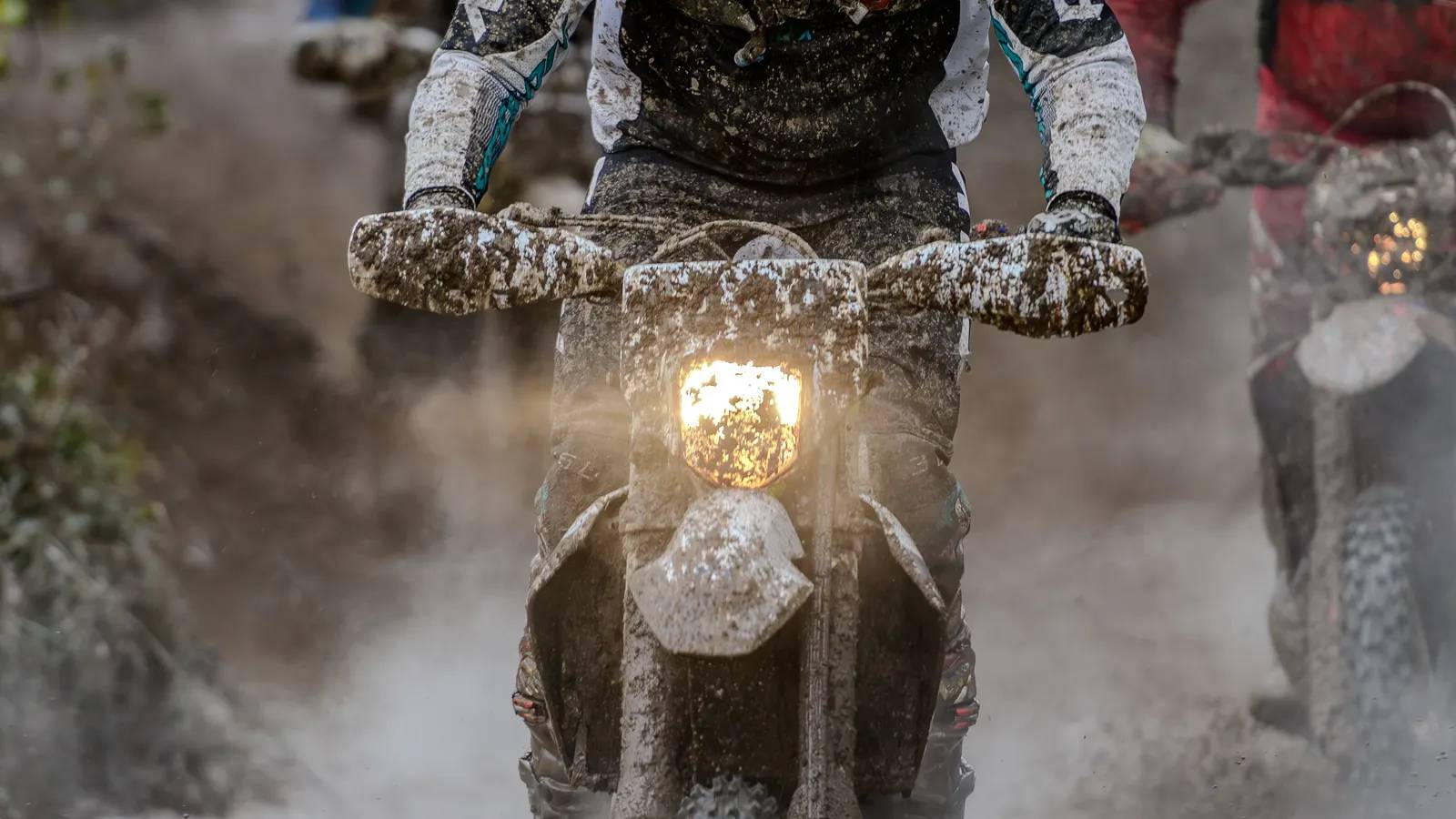
In practice: riding outside tracks open to traffic is prohibited, which covers forest, footpaths and unmetalled tracks that are not classified.
Fines
| Offence | Fine |
|---|---|
| Riding off-track in a natural area | €1,500 |
| Repeat offence | €3,000 and possible confiscation |
| Damage in a protected zone (Natura 2000, national park) | Up to €15,000 |
02What is allowed
1. Rural tracks and municipal ways open to traffic. Check with the town hall. 2. Private land with the owner's written permission 3. Licensed circuits and enduro venues authorised by the prefecture 4. Organised events run under prefectoral authorisation 5. Certain listed itineraries, where the department allows motorised use
03Checking a trail before riding it
The rule is easy to state and painful to apply: a track is open if it is open to public traffic, and nothing on the ground reliably tells you. The absence of a sign is not permission.
Three sources settle it. The cadastral map and municipal plan, available at the town hall, distinguish a rural track (public) from a farm track (private). A municipal order, which can close an otherwise public rural track. And the owner, when the track is private: their agreement must be in writing to be worth anything if you are stopped.
Shared online tracks prove nothing. A route posted by fifty riders on a community platform can cross three private parcels without anyone ever having noticed.
04Who can stop you
Not only the gendarmerie. Rural wardens, forestry officers and park rangers can all issue penalties. The report can cover riding off a public way, but also the absence of a plate or insurance on a non-homologated machine, which makes the bill considerably worse.
Immobilisation and impounding are provided for in cases of repeat offence or offences in a protected zone.
05Riding legally, in practice
- Join an affiliated club, which knows the open tracks in its area
- Take part in authorised organised rides, which obtain prefectoral agreement in advance
- Use licensed venues for pure practice
- Ask for and keep written permission from private landowners
It is more constraining than setting off at random, and it is what keeps the sport legal at all. Every venue lost is lost for good.
06Keeping a record of where you rode
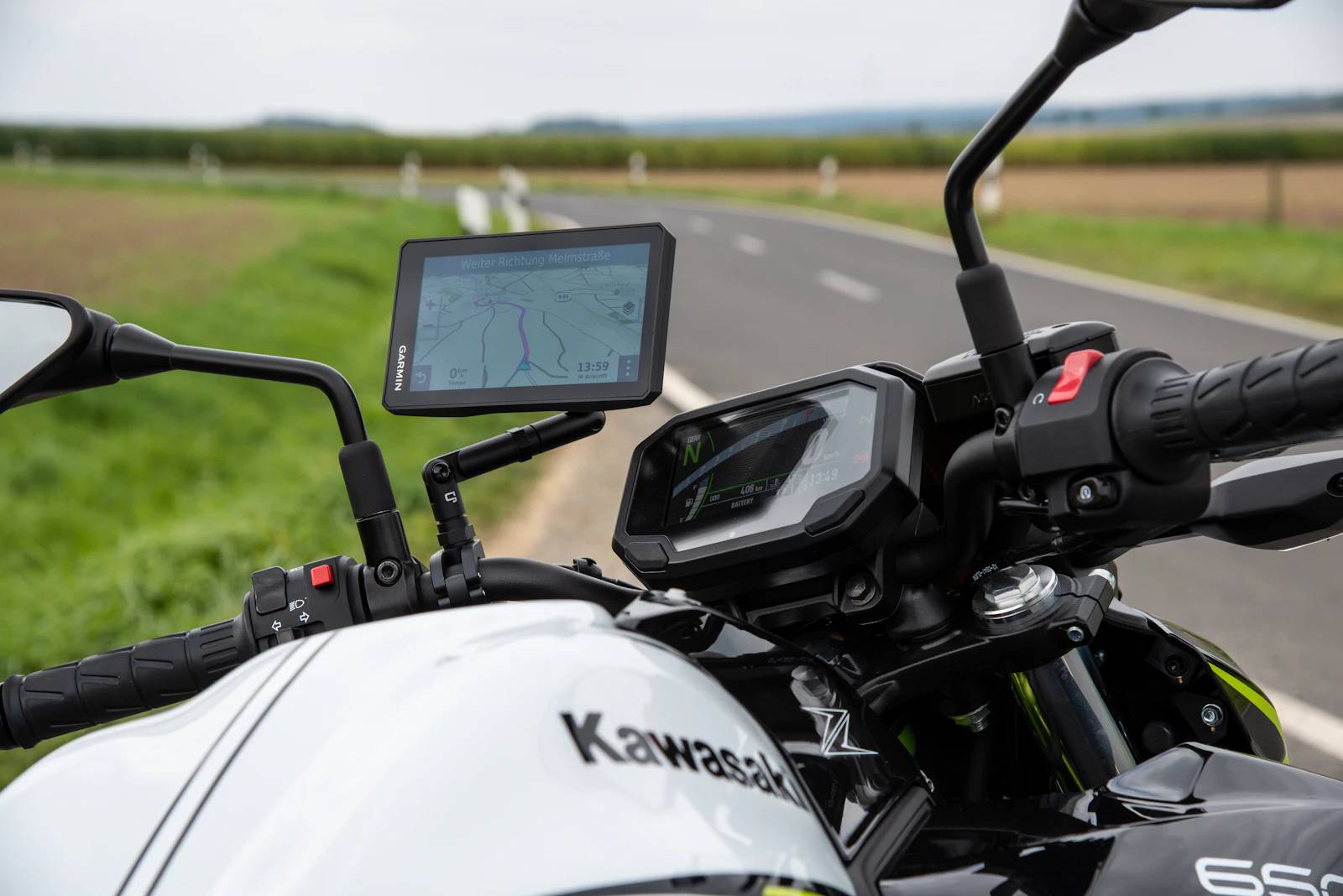
Keeping your ride history has two uses: repeating a route that worked, and being able to show where you actually went if the question arises. A GPS tracker records rides without anything to start at the trailhead.
Tracker + anti-vol pour tous motards, c'est HOROTAG GPS.
Position toutes les 12 h à l'arrêt et toutes les 30 min en mouvement, anti-vol passif, carnet manuel scellé. 299 €, SIM 4G IoT 10 ans incluse, aucun abonnement.
Voir HOROTAG GPS